
About co-ops and mutuals in
New Zealand
■
[ Kiwi co-op and mutual stats ]Nearly 300 co-ops, mutuals, societies & credit unions in our country of 5.2 million people
Top 30 co-ops (by turnover) generate revenues equivalent to 12.5% of the value of NZ’s GDP.
Top 30 co-ops directly employ around 49,000 people. The true impact is even larger when you include the many thousands working for cooperative members - from supermarket aisles to rural service depots to farms and orchards - whose jobs exist because of the cooperative model.

Our co-ops rank among the largest in the world
Fonterra Cooperative Group, Zespri, Foodstuffs North Island, Foodstuffs South Island and Silver Fern Farms rank in the global top 300 in the World Cooperative Monitor ‘Exploring the Cooperative Economy Report 2025’.
Cooperatives in New Zealand live almost 5x longer than companies
Because co-ops are owned by local members, more of the value they create is retained and recycled in the community, through wages, patronage rebates or dividends, community investment and engagement programmes and local procurement supporting nearby SMEs and services.
Enduring co-ops can plan and fund multi-year capex and digital programmes that keep paying productivity dividends. They build deep human capital through intergenerational training cultures, preserving institutional memory and lifting output per hour. Their longer horizons make sustainability investments in areas like emissions cuts, adaptation, and nature projects, both viable and credible.
Plus, they maintain community continuity via owner-operator succession planning and governance pipelines that keep stores, plants, and services in local hands.
Kiwi co-ops and mutuals span broad sectors
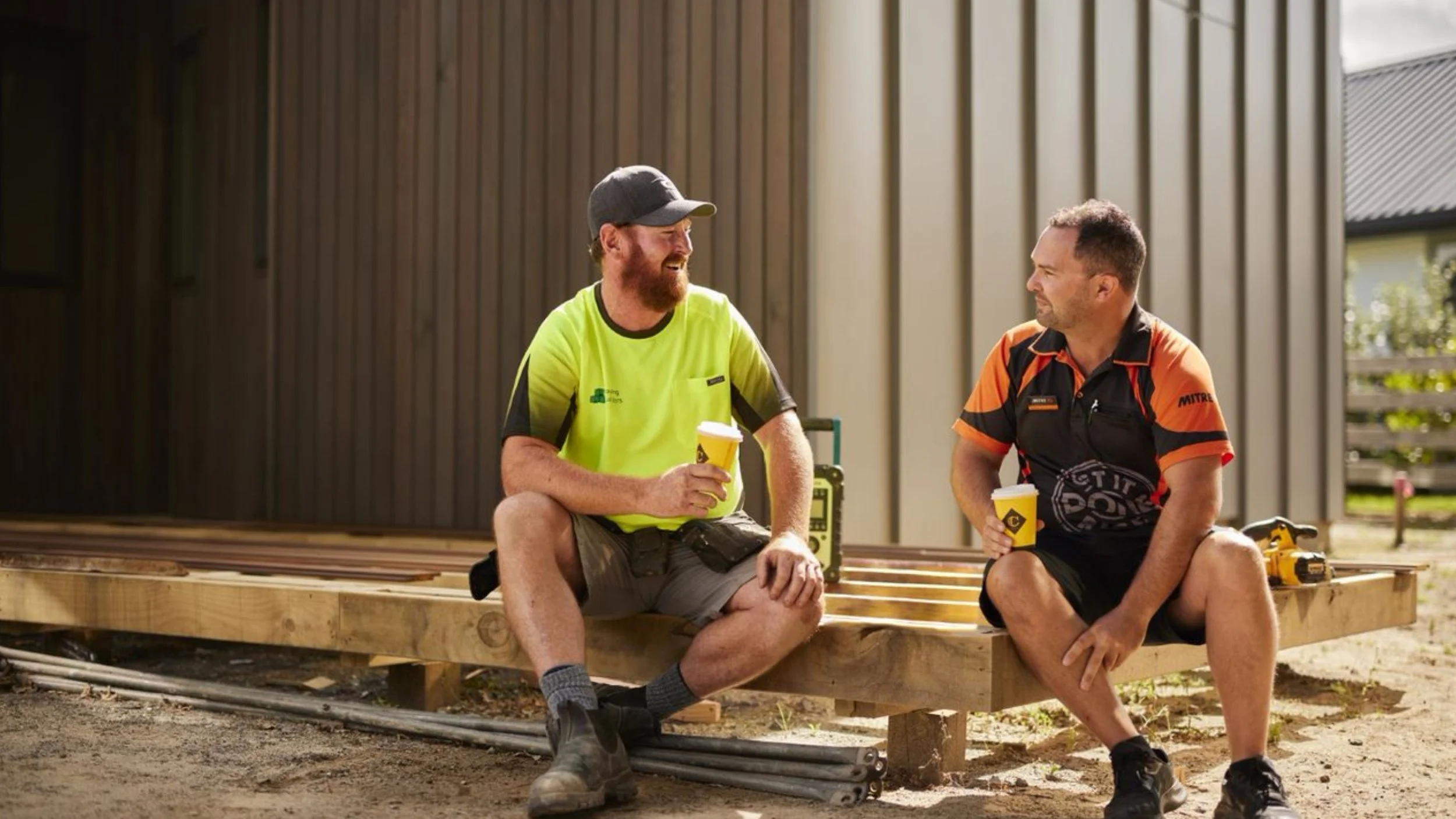
[ building and construction ]Co-ops have a strong physical presence in New Zealand’s building and construction sector.
In main centres, small towns (and islands!) up and down the country you’ll see BuildLink, Mitre 10, FlooringXtra and ITM stores supporting local communities, DIYers and tradies alike.
The footprint of these four co-ops alone is 277 stores.
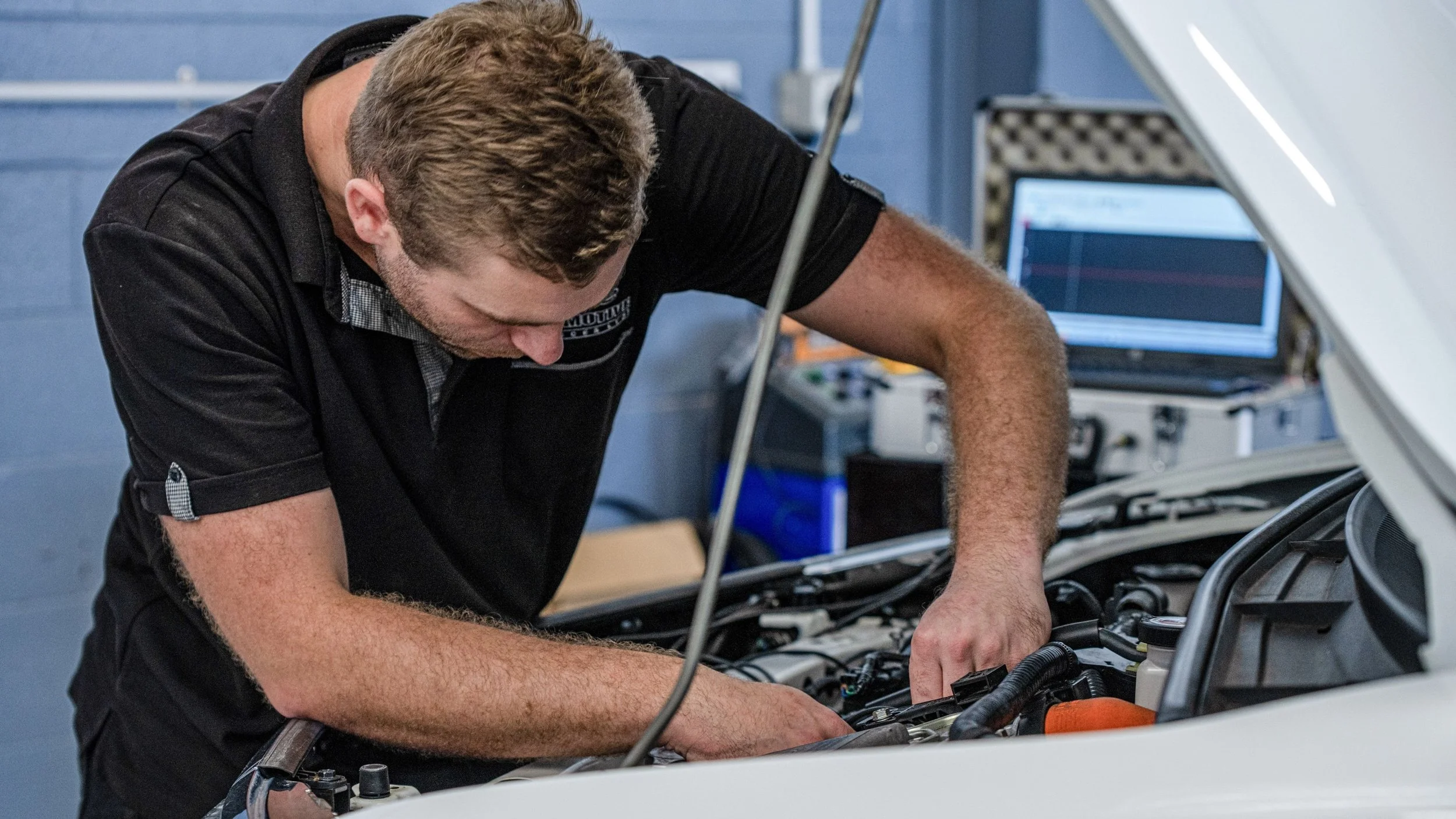
[ Automotive Aftermarket ]New Zealand’s agricultural co-ops are household names, backing our farmers and growers.
But beyond the farm gate, co-ops also power the backbone of our trades. Capricorn Society and Blackfern Co-operative alone support 8,000+ mechanic and auto-repair SMEs and sole traders so they can buy better, learn faster, and serve local communities.

[ banking and insurance ]Owned by their members, mutual banks, financial institutions and insurers have a long history of supporting local communities through booms and when times are tough.
Mutuals like SBS Bank, Nelson Building Society, First Credit Union, Co-op Bank, FMG, Rabobank, PPS Mutual and Southern Cross Health Society have been there for Kiwis for decades, keeping premiums down, giving back to communities and offering support in times of crisis.

[ Grocery, Retail and Trade]Some of our largest employers and most trusted household names are cooperatives. Grocery and retail co-operatives play a vital role in keeping ownership, decision-making and economic value close to local communities. In grocery, Foodstuffs North Island and Foodstuffs South Island collectively own and operate one of New Zealand’s largest retail networks, with locally owned stores competing successfully at scale. Across retail and trade, co-ops such as Mitre 10, Paper Plus, NZPM Co-op, Hunting & Fishing, Farmlands, Ruralco and Home Group Services enable independent business owners to share brand, buying power, logistics and systems while remaining locally owned. Together, retail co-ops combine national scale with strong local accountability.
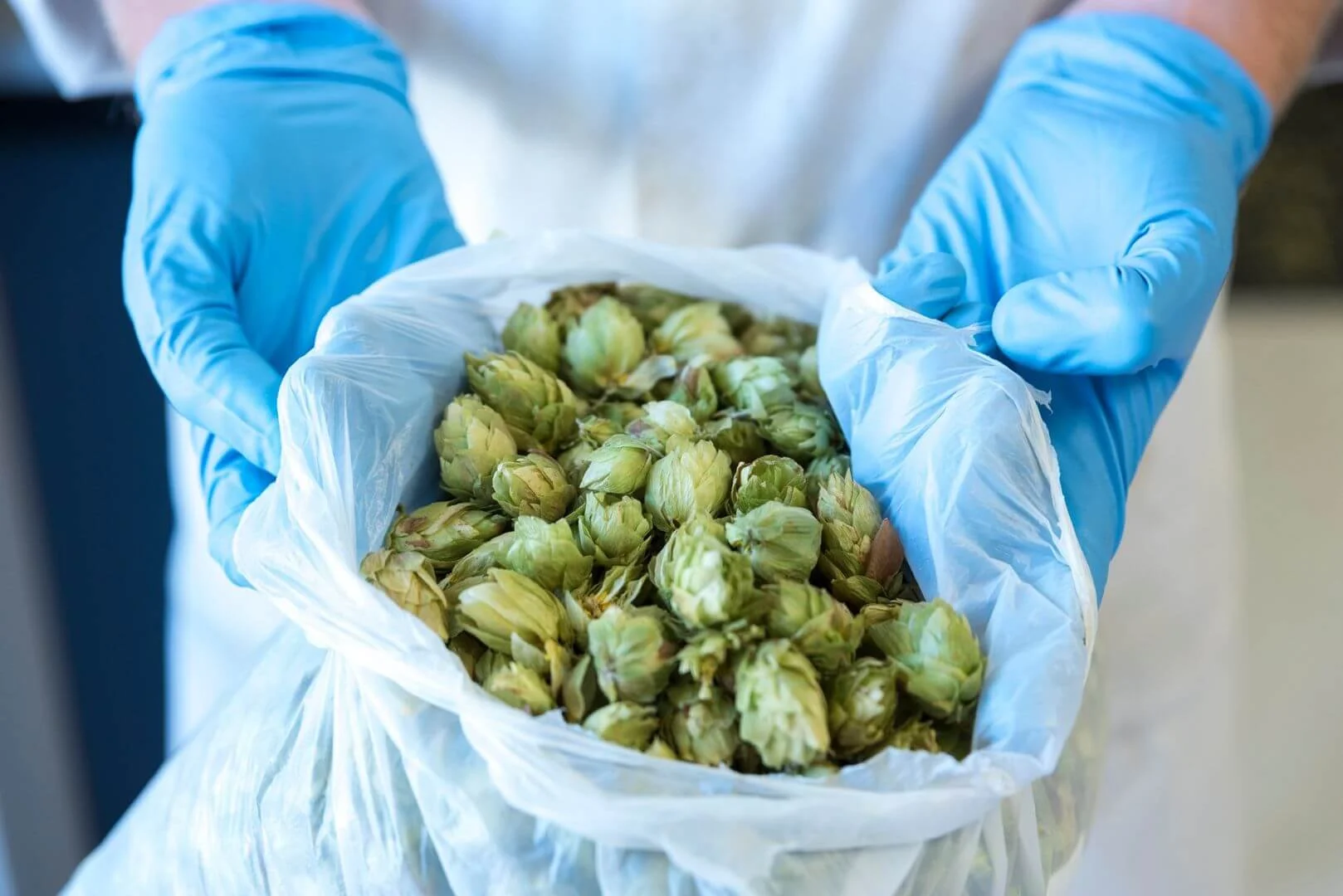
[ Agriculture and horticulture ]Agriculture and horticulture are at the heart of New Zealand’s cooperative economy. Co-ops enable farmers and growers to share risk, pool capital and compete globally in sectors that are highly capital-intensive and export-focused. Input co-operatives like Ravensdown and Ballance support on-farm productivity, while producer cooperatives such as Fonterra, Silver Ferm Farms and Zespri are among New Zealand’s largest exporters. Specialist grower co-ops including MG Group, New Zealand Blackcurrants and New Zealand Hops help producers scale, invest and innovate while keeping ownership and value rooted in local communities.

[ Energy and Utilities ]Co-ops are a natural fit to ensure water and energy security. Almost 25% of New Zealand’s registered co-operative companies are irrigation co-ops. It is no accident that water delivery is so often cooperative. Irrigation schemes are capital-intensive, networked utilities with long-lived assets like intakes, pipes, pumps and storage. Member ownership aligns incentives around reliability, affordability, and prudent reinvestment rather than short-term returns. Like our only energy co-op EA Networks, utility co-ops are the stewards of critical infrastructure essential to our economy.

[ Services ]Service cooperatives enable professionals and small businesses to work collectively while remaining independent. In sectors such as healthcare, finance and business services, co-ops provide shared systems, branding, governance and back-office capability that individual operators could not easily achieve alone. Examples include ProCare in primary health, Wealthpoint in financial services, World Travellers and New Zealand Cleaning Co-operative. Across services, cooperatives improve resilience, professional standards and local accountability while keeping value with those delivering the service.
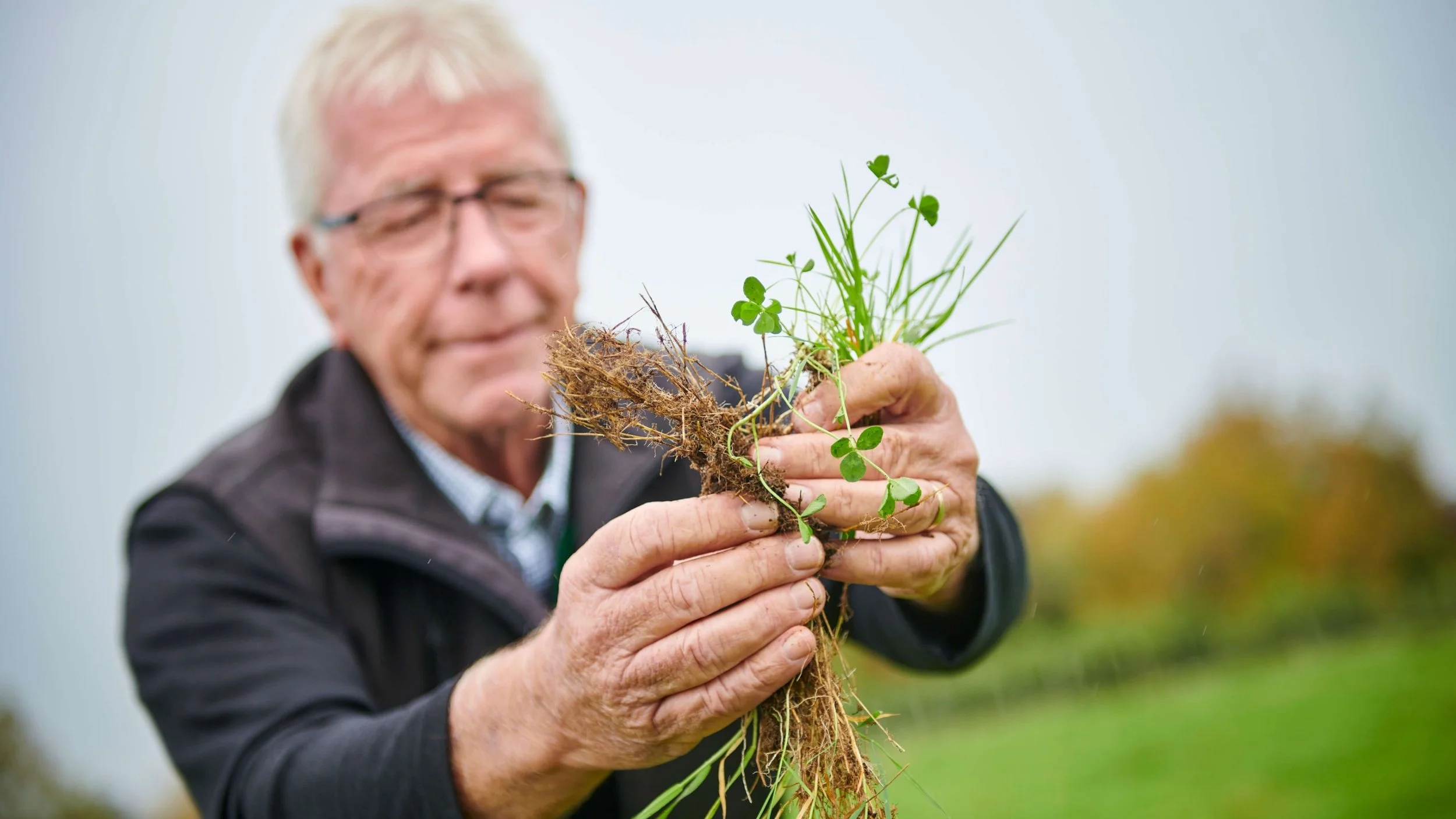
Agricultural and rural supplies co-ops form a wraparound support system for food production and food producers in New Zealand. Co-ops reach fom irrigation to energy, soil nutrition, farm supplies, herd improvement and seasonal labour. From dairy, meat and produce processing and growing to specialist rural banking and insurance; our country’s economy and productivity is underpinned by co-ops and mutuals.
■